


Why I Hand-Feed My Puppies: The Bonding Technique That Changes Their Relationship with Humans
.
For more than fifty years breeding German Shepherds at Southernwind Kennels, I have developed many small techniques that quietly shape the temperament of a puppy.
One of the simplest—and most powerful—is something most people overlook.
I hand-feed my puppies during their early development.
To many people it may seem like a small detail. But in reality, it profoundly changes how a puppy perceives human beings for the rest of its life.
This practice builds trust, strengthens social attraction, and establishes a powerful neurological association between human hands and survival rewards.
And once that association forms early in life, it becomes deeply embedded in the puppy's brain.

The First Lessons Puppies Learn About Humans
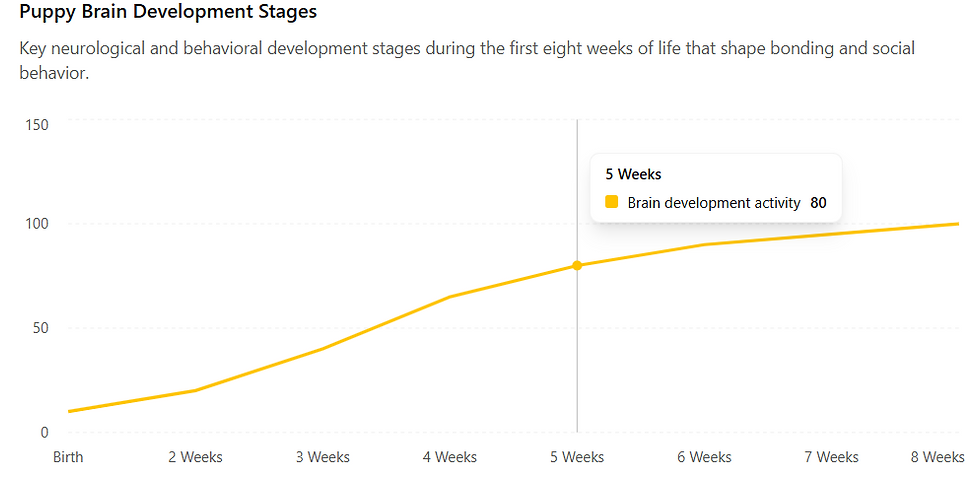
When puppies transition from nursing to solid food, their brains are in a critical learning window.
During this stage, the developing brain forms extremely strong associations between experiences and survival.
If food simply appears in a bowl on the ground, the puppy learns:
Food comes from the environment.
But when food comes directly from human hands, the puppy learns something very different.
Food comes from people.
That subtle difference can permanently shape how a dog views humans.
Instead of seeing humans as neutral creatures that simply coexist with them, the puppy begins to perceive humans as providers, partners, and trusted sources of reward.

The Neuroscience Behind Hand-Feeding Puppies
Early puppy development involves rapid neurological growth and synaptic formation.
Research in animal behavior shows that reward-based interactions activate dopamine pathways in the brain, strengthening learning and emotional bonding.
When puppies receive food directly from human hands:
• dopamine reward circuits activate
• positive reinforcement pathways strengthen
• human scent becomes associated with reward
• tactile interaction reinforces social bonding
Over repeated feedings, these experiences strengthen the puppy’s social attraction toward humans.
The puppy is not just eating.
The puppy is learning who to trust.
How Hand-Feeding Builds Confidence and Social Attraction
Over the decades I have noticed a clear pattern.
Puppies that are hand-fed early in life often display:
• stronger social attraction to humans
• higher engagement with handlers
• faster bonding with new owners
• increased motivation during training
• greater trust in human contact
They approach hands confidently instead of hesitating or withdrawing.
This small developmental step helps create a dog that sees humans not as unpredictable creatures—but as partners.

Handfeeding Is Not Just About Bonding
Hand-feeding also teaches puppies several practical lessons.
1. It builds early food motivation
Food becomes a communication tool that helps later training.
2. It reduces food aggression
Puppies learn that human hands near food are normal and safe.
3. It encourages calm interaction
Puppies must focus on the human providing the food
.
4. It establishes early trust
Human presence becomes linked with positive outcomes.
These lessons may seem simple, but they can influence a dog's behavior for years.
A Technique That Carries Into the Puppy’s New Home
One of the things I often explain to new puppy families is this:
The work started by the breeder should continue after the puppy goes home.
Hand-feeding can be used by new owners to:
• strengthen bonding with the puppy
• reinforce training commands
• build trust during the transition period
• help shy puppies gain confidence
When used properly, food becomes more than nutrition.
It becomes a communication bridge between dog and human.
The Southernwind Philosophy of Early Puppy Development
At Southernwind Kennels, early development is not left to chance.
Every small interaction during the early weeks matters.
Through structured early experiences—including sensory exposure, environmental exploration, and human interaction—puppies begin developing the emotional foundations they will carry into adulthood.
Hand-feeding is one of those foundational moments.
It may appear simple.
But in the life of a puppy, small moments often create the deepest learning.

Frequently Asked Questions About Hand-Feeding Puppies
Is hand-feeding puppies safe?
Yes. When done calmly and properly, hand-feeding helps puppies associate humans with positive experiences.
At what age should puppies begin handfeeding?
Handfeeding usually begins when puppies transition from nursing to solid food, typically around 3–4 weeks of age.
Can hand-feeding spoil a puppy?
No. When done properly it strengthens bonding and communication. It does not create dependency.
Should new owners continue hand-feeding?
Yes, especially during the first weeks in a new home. It helps the puppy form trust with the new family.
Does hand-feeding help with training?
Yes. Puppies that associate food with human interaction often show higher motivation during training.
Final Thoughts
In dog breeding and development, people often search for complicated answers.
But many of the most powerful influences on a puppy’s future behavior are surprisingly simple.
A human hand offering food.
A moment of trust.
A small interaction repeated day after day.
Those early experiences shape how a dog will see humans for the rest of its life.
And sometimes, the strongest bonds begin with something as simple as feeding a puppy from your hand.
REFERENCES
American Veterinary Society of Animal Behavior https://avsab.org
American Kennel Club – Puppy Development https://www.akc.org
Merck Veterinary Manual – Animal Behavior https://www.merckvetmanual.com
AUTHOR
About the Author
Maria Cecilia Martinez is the founder of Southernwind Kennels and has over five decades of experience breeding, training, and evaluating German Shepherd Dogs. She has worked with working dogs, family companions, and service dogs while advising canine programs and educating puppy owners worldwide. Her work focuses on early puppy development, temperament stability, and responsible breeding practices.


Comments